
Case Results
Case
Results
7,500,000*
VERDICT
Elevator Fall
3,000,000
SETTLEMENT
Slip and Fall
2,700,000
SETTLEMENT
Slip and Fall
2,700,000
SETTLEMENT
Premise Liability
Broken Seat
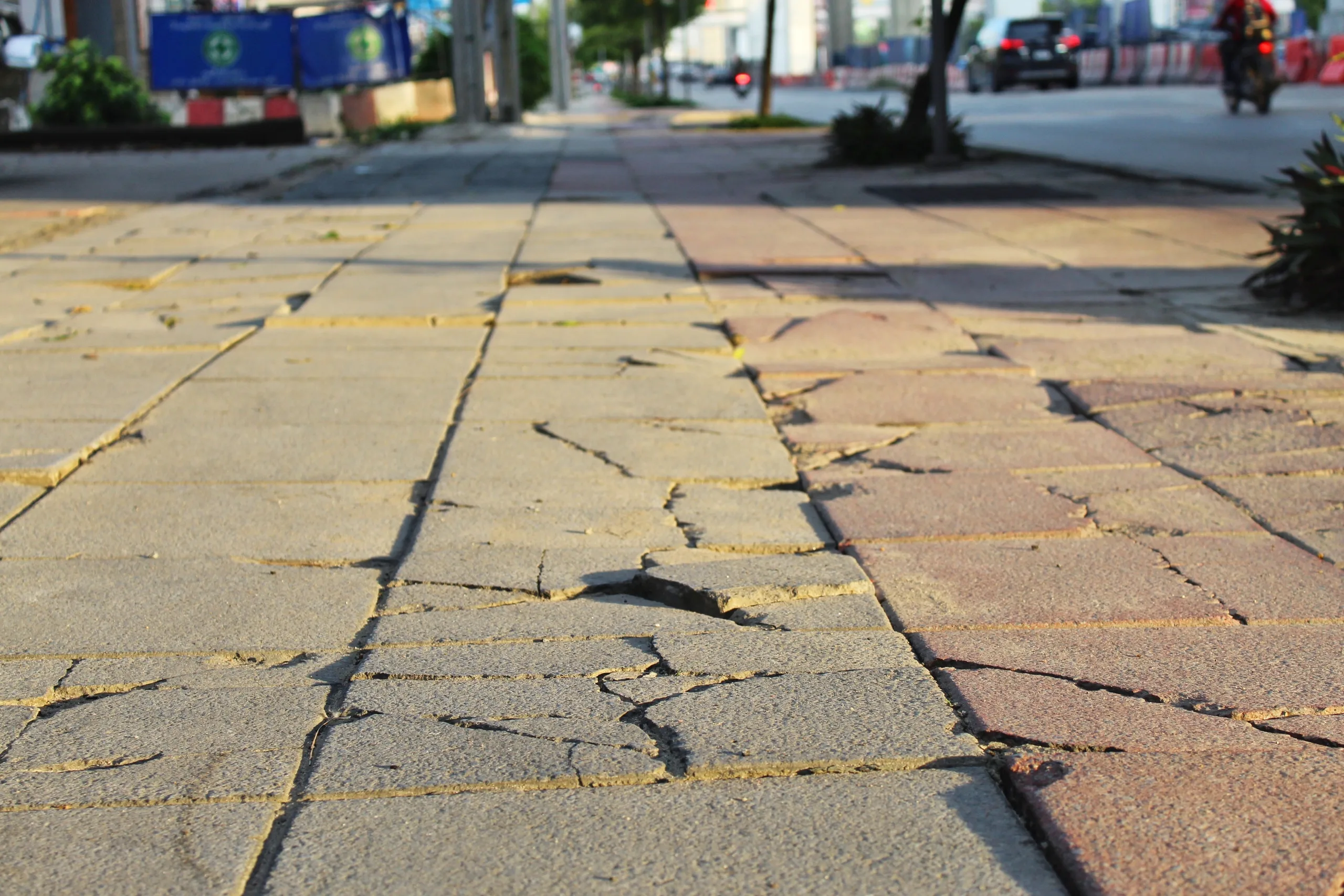
Sidewalk accidents occur frequently in New York City, resulting in painful injuries and unexpected medical costs. Whether a person encounters cracked or uneven pavement, a hidden pothole, or debris that remains unattended, these hazards transform a regular walk into a dangerous accident.
If you suffered injuries because of negligence, you hold the right to seek compensation for your medical bills, lost wages, pain and suffering, and other damages. At The Silbowitz Firm, Mitchell Silbowitz has been fighting for injury victims since 1989. He has helped clients win more than 1,000 cases in New York City, Long Island, and other counties across New York State, and he is dedicated to helping you go through the legal process and fight for your rights.
Common Sidewalk Injuries
Sidewalk accidents cause a wide variety of injuries, ranging from minor sprains to life-altering conditions. The severity of the injury often depends on the height of the fall, the type of surface impacted, and the physical health of the individual.
Here are some of the most common injuries:
- Fractures: Broken bones happen often in sidewalk accidents, particularly in the ankles, wrists, hips, and spine.
- Sprains and Strains: Sidewalk falls cause sprains and strains in muscles, ligaments, and tendons when these tissues are stretched or torn.
- Head Injuries: This remains a serious concern in sidewalk accidents, ranging from mild concussions to severe traumatic brain injuries.
- Soft Tissue Injuries: Sidewalk accidents result in bruises, cuts, and tears in muscles, ligaments, and tendons.
- Spinal Injuries: These injuries lead to paralysis, loss of sensation, and other long-term disabilities that require specialized medical care and rehabilitation.
If you have been injured in a sidewalk accident, you should prioritize your health. Seek immediate medical attention to assess the extent of your injuries and receive appropriate treatment.
What Compensation Do You Deserve After a Sidewalk Accident in New York City?
After a sidewalk accident, you may be entitled to compensation for your injuries and the disruption it caused to your life.
- Medical Expenses: This includes the costs of treatment, including doctor visits, surgeries, medications, and physical therapy.
- Lost Wages: You can seek compensation for the income you lost due to being unable to work after the accident.
- Pain and Suffering: This includes compensation for physical pain, emotional distress, and mental anguish caused by the accident.
- Property Damage: If your belongings were damaged during the fall, you may be able to recover the cost of repairs or replacement.
- Punitive Damages: In cases of gross negligence or recklessness, a court may award additional damages to punish the responsible party.
It is helpful to consult with Mitchell Silbowitz to understand your specific rights and options for seeking damages.
Who Is Responsible for Sidewalk Safety?
Determining liability after a sidewalk accident can be complex, as responsibility for sidewalk maintenance varies depending on the specific location.
Private Property
Property owners are generally responsible for maintaining the sidewalk directly adjacent to their property. This responsibility extends to keeping the sidewalk clear of debris, repairing cracks or uneven surfaces, and ensuring there is adequate lighting.
Failure to maintain a safe sidewalk can make the property owner liable for any injuries that occur due to their negligence. This includes injuries caused by tripping on uneven sidewalks, slipping on spilled substances, or encountering obstacles.
Public Sidewalks
In many cases, the City of New York is responsible for maintaining public sidewalks, which includes regular inspections, repairs, and maintenance of the walkways within public areas.
However, there may be exceptions where a private property owner is responsible for maintaining a public sidewalk if a specific agreement exists or if the property owner has made significant alterations to the sidewalk.
Shared Responsibility
Responsibility for sidewalk safety can sometimes be shared. For example, a property owner might be partially responsible if they allow debris to accumulate on their sidewalk, but the city also must ensure the sidewalk is generally safe.
What Are Common Reasons for Sidewalk Accident Injuries?
Sidewalk accidents are a prevalent issue in New York City and result in painful injuries that can significantly impact your life. These accidents occur for various reasons, including:
- Uneven Sidewalks: Cracked or uneven pavement is a major cause of tripping and falling.
- Debris and Obstacles: Loose objects, potholes, or poorly maintained landscaping create hazards for pedestrians.
- Poor Lighting: Inadequate lighting makes it difficult to see uneven surfaces or potential hazards, increasing the risk of accidents.
- Construction Hazards: Construction sites present unexpected dangers, such as uncovered holes, loose materials, and uneven ground.
After experiencing a sidewalk accident, notify the property owner and attempt to document the conditions that led to your fall. Creating a record of your injury can help your lawyer build a strong case on your behalf.
Why Choose The Silbowitz Firm?
When you have been injured in a sidewalk accident, you need an experienced and dedicated legal team. Mitchell Silbowitz has been fighting for injury victims since 1989 and has helped clients win more than 1,000 cases.
We offer a consultation to discuss your case and explain your legal options. We understand the complexities of these cases and are prepared to fight for your best interests.
Call Our NYC Sidewalk Accident Lawyer Today
If you have been injured in a sidewalk accident, do not face the aftermath alone. Determining who is responsible for your injuries can be difficult, and you need someone on your side who knows how to hold negligent parties accountable. Mitchell Silbowitz has years of experience handling these specific types of claims and is ready to work on your behalf. Contact The Silbowitz Firm at (646) 419-5344 to speak with an experienced attorney today.
mitchell silbowitz
client reviews
Client Review